Online · Pranayama specialty
The breath is not a technique. It is living intelligence.
And most yoga teachers are only teaching a fraction of it. A pranayama teacher training rooted in Indian tradition, built for the serious yoga teacher.
Enrollment details and session dates for the 2027–2028 program are coming soon.
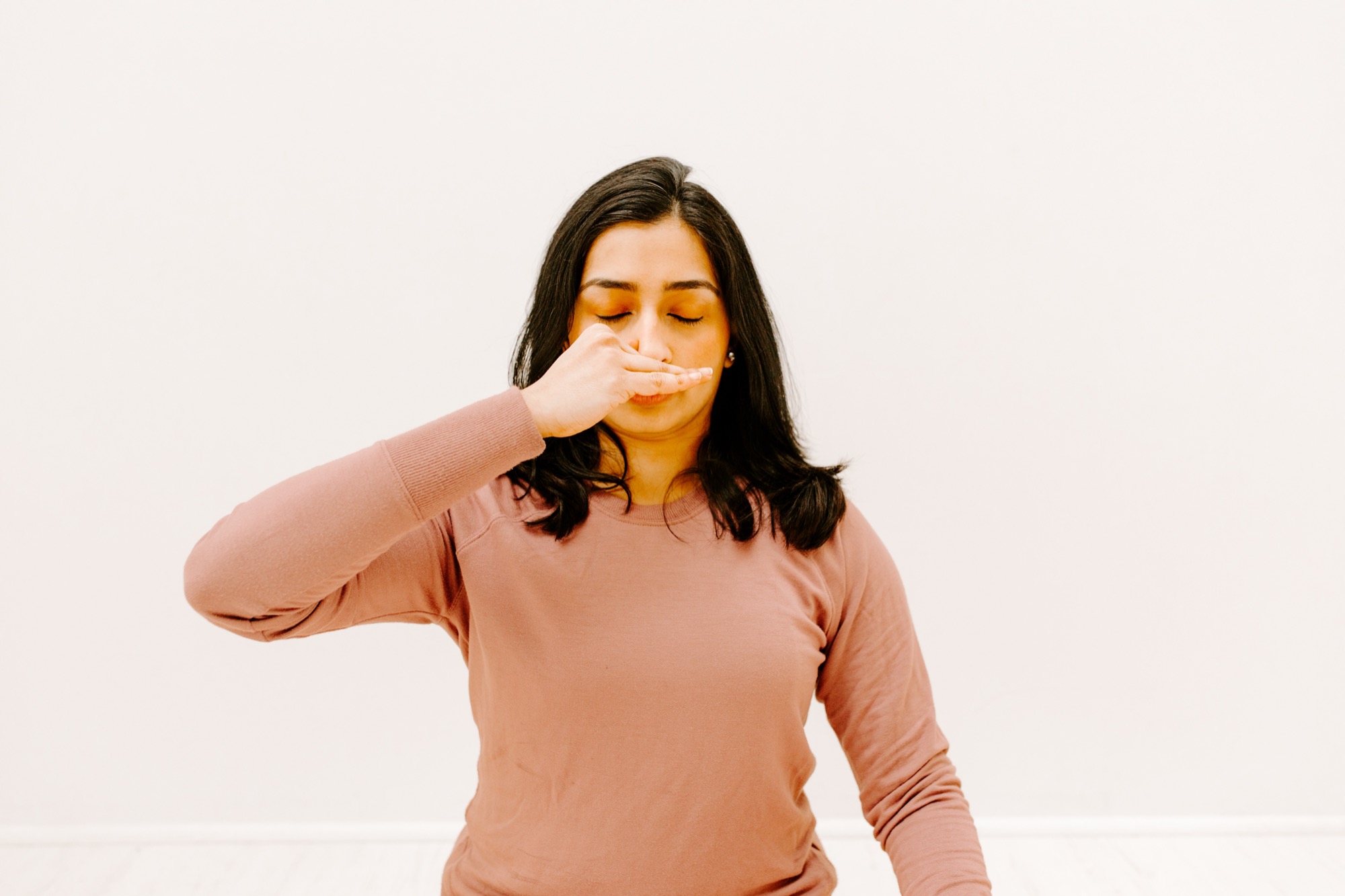
- Format
- 100% online
- Delivery
- Pre-recorded lessons + weekly live sessions
- Accreditation
- Yoga Alliance approved · 60 CEUs
- Next cohort
- 2027–2028 · dates to be announced
The gap
You completed your YTT. You teach asana confidently. But when it comes to pranayama — you hesitate.
- You were taught pranayama in a single weekend module, squeezed in at the end of an already packed training.
- You've been cuing “take a deep breath” in every class without really knowing why it works — or when it doesn't.
- You've tried to teach Nadi Shodhana and realized halfway through that you weren't sure you were doing it right yourself.
You're not alone. This is the gap in almost every yoga teacher training in the world. The breath gets a module. Asana gets everything else.
And it's not your fault. It's a systemic problem in how yoga has been taught in the West — pranayama stripped of its depth, reduced to a warmup or a wind-down, separated from the intelligence that makes it transformative.
This training is the bridge.
What this program is
Not a breathwork course dressed up in Sanskrit.
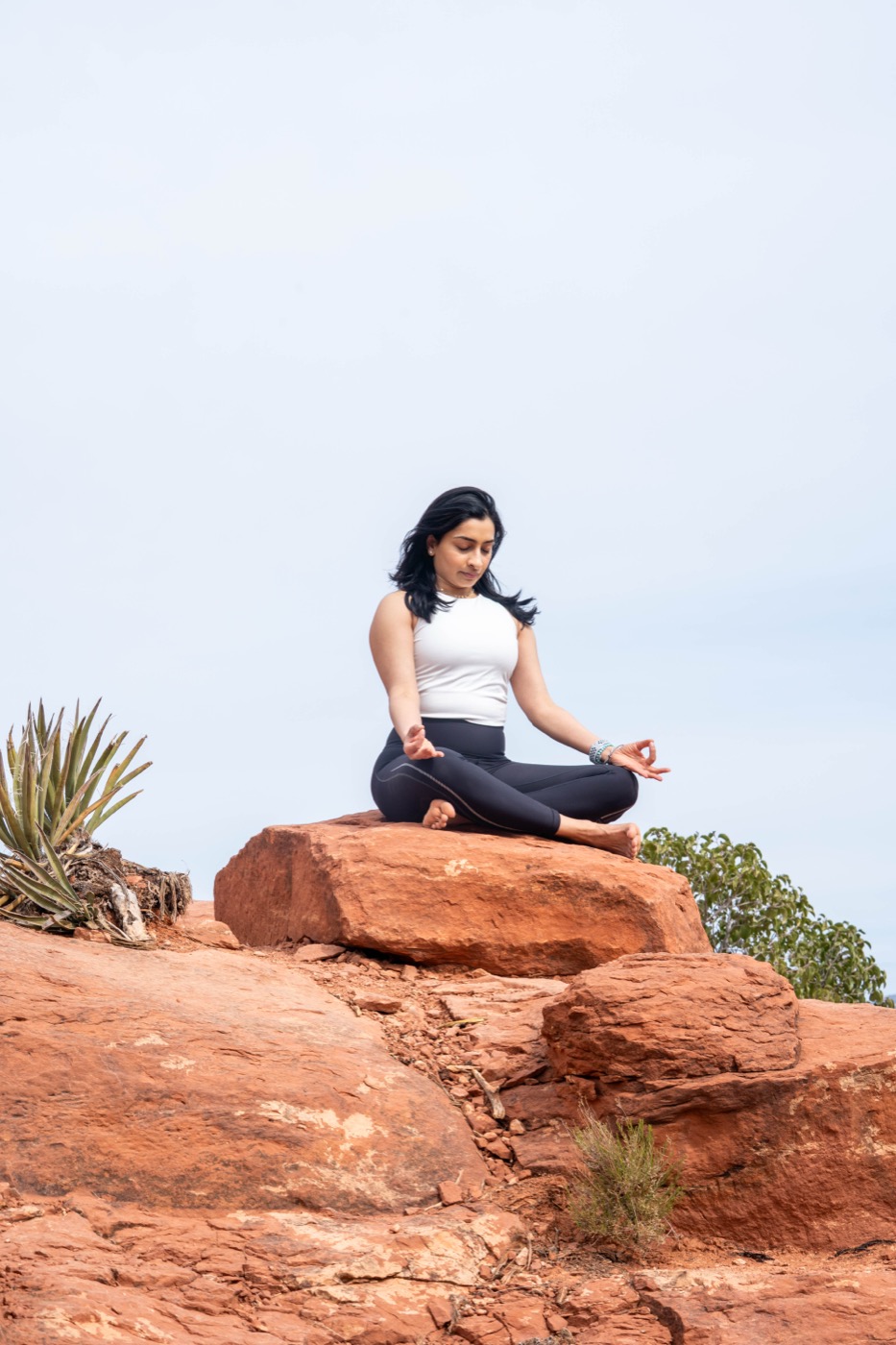
This is a genuine, lineage-rooted, rigorously structured pranayama education — one that takes you from the foundational philosophy of what prana actually is, through the subtle body and the nadi system, through every major technique taught in the classical tradition, all the way to sequencing, teaching methodology, and building your own personal sadhana.
It is the training most yoga teachers never received. And it changes everything.
What the training builds
Steady body. Focused mind. Peaceful heart.
01
Steady body
The physical foundation that makes pranayama possible. You will understand the seat, the breath mechanics, the asanas that prepare the body, and why none of this can be rushed.
02
Focused mind
The philosophical and neurological depth behind the practice. Why pranayama is the only voluntary gateway into the involuntary nervous system — and what that means for your students.
03
Peaceful heart
The sadhana dimension. Building a personal practice that is sustainable, seasonal, and alive — not a collection of techniques, but a living relationship with the breath.
Inside the training · syllabus
A complete education in pranayama, in seven parts.
The progression moves from the philosophical and theoretical ground all the way through to personal sadhana and the long game of teaching. Every part builds on the one before it. Nothing is bolted on. Everything is connected.
Part 1
Foundations
The ground before the practice
- Understanding pranayama in today's context
- The world of prana — 14 meanings, classical texts, cosmic intelligence
- Origins and lineage — Vedic, Upanishadic, Patanjali, Hatha tradition
Part 2
The subtle body
The architecture beneath the breath
- Pancha Kosha and the pranic body
- Nadis — Ida, Pingala, Sushumna, and the 72,000 pranic channels
- Pancha Pranas — the five vayus and their functions
- The mind–prana relationship — the philosophical core of everything
Part 3
Breath literacy
Arundhati's original framework — the conceptual spine of the course
- What breath literacy is, and why most teachers are missing it
- The 4 Pillars: when to inhale and exhale · Breath GPS · the 6 qualities of breath · the nature of breath
- How to build breath literacy into every class you teach
Part 4
The physical body
Preparing the container
- Respiratory anatomy for yoga teachers — the diaphragm, the psoas connection, 3D breath
- Asanas that open the body for pranayama — five categories, specific poses, clear reasoning
Part 5
The practice
Technique, taught properly
- The 4 parts of a breath — Puraka, Antara Kumbhaka, Rechaka, Bahya Kumbhaka
- Breath awareness practices — belly breathing, diaphragmatic, full yogic breath
- Nadi Shodhana masterclass — all four stages, ratios, nasikagra mudra, contraindications
- Vitalizing pranayama — Bhastrika and Kapalabhati, 3 intensities, classical sources
- Tranquilizing pranayama — Brahmari, Ujjayi, Sheetali, Sheetkari, Kaki, Pranava
Part 6
Sequencing and teaching
From practice to pedagogy
- Sequencing pranayama — time-based and goal/need-based approaches, seasonal intelligence
- Teaching pranayama — vocal quality, silence, reading the room, common errors
- Bandhas as pranic locks — theory, practice, relationship to advanced pranayama
Part 7
The long game
Sadhana, not just certification
- Building a personal pranayama sadhana — the journal framework, seasonal adaptation
- Lifestyle and pranayama — oxidative stress, Mitahara, Ayurvedic principles, the whole-person context
How it works
Learn at your own pace — with Arundhati live each week.
How it runs
- Pre-recorded video lessons, available on demand through your Kartra student portal — watch, rewatch, and practice on your schedule.
- Live virtual sessions with Arundhati held weekly, for Q&A and real-time guidance.
- Every live session is recorded, so you can attend live or watch the replay.
What you'll get
- A world-class student workbook — structured learning activities, reflection prompts, and practice frameworks built specifically for this curriculum.
- Instant access to all pre-recorded content and live session recordings. Come back, revisit, go deeper.
- Your Pranayama Teacher Training and Study Program certificate on completion — register the hours directly with Yoga Alliance.
- Membership in the PYTT alumni community, including alumni live sessions.

Who this training is for
Worth knowing before you commit.
This training is for you if
- You completed your 200-hour YTT and felt the pranayama training was incomplete
- You want to teach pranayama but don't feel qualified or confident enough yet
- You're a consistent practitioner who wants to go deeper in your own personal practice
- You're tired of only cuing “inhale” and “exhale” without understanding what you're actually working with
- You want a training rooted in Indian tradition — not diluted, not Westernized, not trendy breathwork
- You've listened to the Let's Talk Yoga podcast and you're ready to go all in
- You believe yoga is more than asana, and you want your teaching to reflect that
It's not for you if
- You're looking for a quick certification with minimal depth
- You want a purely academic experience with no personal practice requirement
- You're unwilling to slow down and go deep
What graduates say
From a teacher who finished it.
Pranayama came into my life after my lung was punctured during acupuncture and has since transformed my life. It has become a part of my daily routine and helps me to continue to feel good and be able to persevere. Your teaching has brought peace to me at a time I desperately needed it. You have given me the power to bring about my own peace through my practice. Thank you doesn't feel like enough.
Your teacher
Arundhati Baitmangalkar
Founder of Aham Yoga · Host of the Let's Talk Yoga podcast
Arundhati is a yoga educator with over 20 years of experience rooted in the Indian tradition. She is the founder of Aham Yoga in Redmond, Washington — a studio she has built and nurtured for over twelve years — and the host of Let's Talk Yoga, one of the most listened-to yoga podcasts in the world, with over one million downloads and listeners in more than 200 countries.
She is published in Yoga Journal and Yoga International, and holds E-RYT 500, RYS 300, and YACEP designations with Yoga Alliance. She has guided hundreds of yoga teachers through training programs built on authenticity, classical roots, and a deep respect for where this practice comes from.
Pranayama is not an add-on in Arundhati's teaching. It is the center. Her late mother's struggle with a lung disease shaped her relationship with the breath in ways that are personal, permanent, and present in everything she teaches. This training is the result of over a decade of study, practice, and refinement — offered with the care and rigor that the practice deserves.
- E-RYT 500 · RYS 300 · YACEP
- 20+ years teaching
- Listeners in 200+ countries
- 1M+ podcast downloads
Frequently asked
Questions before you commit.
What are the pre-requisites for enrolling?
You should have already completed a 200-hour YTT. If not, Arundhati does consider exceptions on a case-by-case basis. If you want to join, email us at admin@ahamyoga.com.
Does this qualify for Yoga Alliance continuing education?
Yes. The program is Yoga Alliance approved for 60 CEUs. On completion you receive your Pranayama Teacher Training and Study Program certificate, and you register the continuing-education hours directly with Yoga Alliance.
Must I attend the live trainings, or can I watch replays?
Either works. Live sessions with Arundhati run weekly and are the place for Q&A and real-time guidance — but every session is recorded, and all recordings stay available to you.
I can't make it this year. When will the training be offered again?
The next cohort opens in 2027–2028. Exact enrollment details and session dates haven't been announced yet — join the waitlist and you'll be the first to know.
Will I be able to teach pranayama after this course?
That is the point of the program. You'll finish with the understanding, the vocabulary, the technique, and the confidence to bring pranayama into your teaching as its own intelligent system — including sequencing and teaching methodology in Part 6.
Do I have to be teaching already to join?
No. Consistent practitioners who want to go deeper in their own practice are welcome — the training is built for serious students as well as working teachers.
Still have a question about the training? Email us at admin@ahamyoga.com.
The breath has been waiting for you to pay attention.
Most yoga teachers never get a proper pranayama education, and carry that gap forward into every class they teach — not because they don't care, but because no one gave them what they needed. This training does. If pranayama has been on your list, this is the moment to stop waiting.
All are welcome here.